

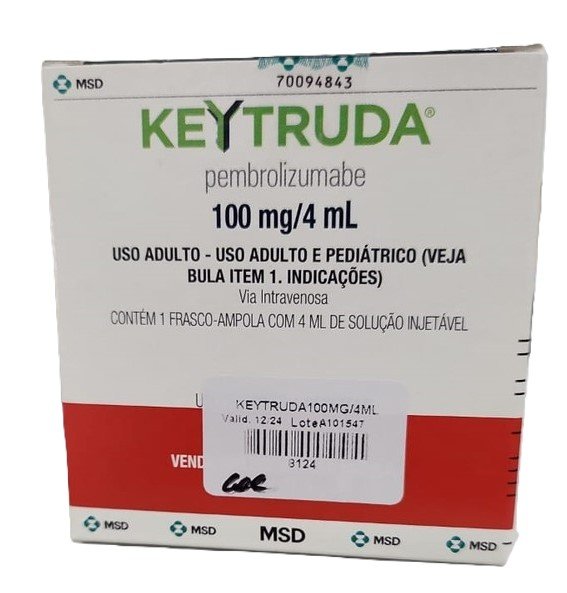
Clinical Guide: Keytruda – The Proven Immunotherapy for Advanced Cancer
Why Keytruda Leads Modern Oncology
Initially, a cancer diagnosis brings overwhelming fear and deep uncertainty. Patients often face aggressive tumors that resist standard treatments. Furthermore, these malignant cells cleverly hide from the body’s natural defenses. Consequently, the disease spreads rapidly and aggressively. Therefore, patients urgently need a highly advanced medical intervention. Fortunately, oncologists frequently prescribe Keytruda to combat these severe conditions. This groundbreaking pembrolizumab cancer treatment provides a highly targeted biological solution. Specifically, the drug removes the invisible shield protecting the tumor. Consequently, your immune system suddenly recognizes the threat. Thus, your own white blood cells actively attack and destroy the cancer. Ultimately, you experience prolonged survival and vastly improved life quality. Moreover, leading medical institutions provide overwhelming proof of this success. Indeed, comprehensive clinical trials demonstrate remarkable long-term remission rates.
The Clinical Problem: How Cancer Evades the Immune System
First, we must understand the fundamental biology of cancer evasion. Healthy immune systems constantly patrol the body for abnormal cells. Usually, T-cells identify and destroy these dangerous anomalies instantly. However, advanced cancer cells develop a highly deceptive defense mechanism. They produce excessive amounts of a specific protein called PD-L1. Subsequently, this protein binds to the PD-1 receptor on your T-cells. Consequently, this connection effectively turns off the immune response. Thus, the cancer cell disguises itself as healthy tissue. Therefore, the tumor grows and multiplies without any internal resistance. Ultimately, this biological trickery renders conventional treatments less effective. Patients quickly exhaust standard chemotherapy options. Consequently, their prognosis worsens significantly. Therefore, scientists needed a way to break this specific chemical bond.
The Medical Solution: Keytruda as a PD-1 Inhibitor
Fortunately, pharmaceutical researchers developed a brilliant biological countermeasure. Keytruda acts as a highly specialized monoclonal antibody. Specifically, medical professionals classify it as a PD-1 inhibitor therapy. First, the medication enters the bloodstream via intravenous infusion. Next, it actively seeks out the PD-1 receptors on your T-cells. Consequently, it strongly binds to these specific receptors. Therefore, the cancer cells can no longer connect their PD-L1 proteins. Thus, the medication effectively unmasks the hidden tumor. Suddenly, your immune system clearly sees the malignant threat. Consequently, your T-cells launch a massive, coordinated attack. Ultimately, they systematically destroy the cancer cells throughout your body. This targeted approach spares healthy tissues from unnecessary damage.
Clinical Indications: What Cancers Does Keytruda Treat?
Moreover, the Food and Drug Administration (FDA) continually expands the approved uses for this drug. Initially, doctors only used it for a single cancer type. However, extensive research proved its efficacy across numerous malignancies. Therefore, oncologists now prescribe it for various advanced diseases. Let us examine the most prominent clinical indications.
Advanced Melanoma Treatment
First, doctors heavily rely on this medication for advanced melanoma. Melanoma represents the most aggressive and deadly form of skin cancer. Previously, metastatic melanoma offered very poor survival rates. However, this immunotherapy dramatically changed that grim reality. Now, doctors use it as a primary treatment line. Consequently, patients experience unprecedented long-term remission. Furthermore, doctors use it after surgery to prevent recurrence. Thus, it significantly improves overall patient outcomes.
Non-Small Cell Lung Cancer (NSCLC)
Additionally, lung cancer remains a leading global health crisis. Specifically, Non-Small Cell Lung Cancer accounts for most cases. Fortunately, oncologists frequently deploy this drug against NSCLC. Often, doctors combine it with traditional chemotherapy for maximum impact. Sometimes, patients receive it as a standalone therapy. However, the tumor must express specific PD-L1 biomarkers first. Consequently, doctors perform genetic testing before initiating treatment. Ultimately, this targeted approach doubles survival rates for many patients.
Head and Neck Squamous Cell Cancer (HNSCC)
Furthermore, head and neck cancers present unique treatment challenges. These tumors severely impact eating, breathing, and speaking. Therefore, patients require highly effective and rapid interventions. Oncologists utilize this immunotherapy for recurrent or metastatic HNSCC. Consequently, the drug actively shrinks tumors in these sensitive areas. Thus, patients regain critical physical functions much faster. Moreover, it offers a crucial lifeline when standard chemotherapy fails.
Classical Hodgkin Lymphoma (cHL)
Moreover, classical Hodgkin Lymphoma affects the lymphatic system directly. Often, patients achieve remission with standard therapies. However, some patients experience a devastating disease relapse. Consequently, doctors need a powerful secondary weapon. Therefore, they prescribe this pembrolizumab cancer treatment for relapsed cases. The medication effectively stimulates the immune system to hunt the lymphoma cells. Thus, patients gain a vital second chance at remission.
Urothelial Carcinoma (Bladder Cancer)
Additionally, advanced bladder cancer historically lacked effective treatment options. Patients faced harsh side effects from platinum-based chemotherapy. Fortunately, this modern immunotherapy offers a vastly superior alternative. Doctors prescribe it for locally advanced or metastatic urothelial carcinoma. Consequently, patients tolerate the treatment much better than traditional chemotherapy. Furthermore, it provides durable responses in highly advanced cases. Ultimately, it significantly elevates the standard of bladder cancer care.
Biomarker Testing: The Crucial Role of PD-L1
First, personalized medicine requires precise diagnostic tools. Doctors cannot blindly prescribe this powerful medication. Therefore, they must confirm the biological compatibility of the tumor. Consequently, oncologists rely heavily on advanced biomarker testing. This process ensures the highest probability of treatment success.
Understanding the CPS and TPS Scores
Specifically, pathologists analyze the tumor biopsy in a laboratory. They measure the exact amount of PD-L1 protein present. Consequently, they calculate a Tumor Proportion Score (TPS). Additionally, they evaluate the Combined Positive Score (CPS). These scores directly dictate the treatment strategy. A high score indicates a strong likelihood of success. Therefore, the doctor proceeds with the immunotherapy protocol. Conversely, a low score might necessitate a combination approach.
Clinical Proof and Deep EEAT: Survival Statistics
Furthermore, we strictly base our insights on hard medical data. Modern oncology demands irrefutable evidence before adopting new therapies. Therefore, we highlight the monumental clinical trials supporting this drug. The American Society of Clinical Oncology (ASCO) published these definitive findings. Consequently, these statistics prove the true power of this medication.
The Keynote-189 Trial Results
First, consider the landmark Keynote-189 clinical trial. Researchers evaluated patients with metastatic non-squamous NSCLC. They compared standard chemotherapy against a combination involving this immunotherapy. The results completely revolutionized lung cancer protocols. Specifically, the combination therapy slashed the risk of death by 51%. Furthermore, the overall survival rate doubled at the 12-month mark. Consequently, this data established a new global standard of care. Thus, the medical community universally accepts these undeniable facts.
The Keynote-006 Melanoma Trial
Additionally, the Keynote-006 trial focused entirely on advanced melanoma. Researchers tracked patient progress over an extended five-year period. Previously, five-year survival for metastatic melanoma was virtually nonexistent. However, patients receiving this immunotherapy achieved a stunning 38.7% survival rate. Moreover, many patients experienced complete tumor eradication. Consequently, these durable responses prove the long-term efficacy of the drug. Ultimately, it transformed a terminal diagnosis into a manageable chronic condition.
Scientific Comparison: Keytruda vs. Traditional Chemotherapy
Why do oncologists increasingly prefer this specific immunotherapy? First, we must contrast it directly with traditional chemotherapy. Chemotherapy blindly attacks all rapidly dividing cells in the body. Consequently, it destroys healthy hair follicles and intestinal linings. Therefore, patients suffer massive hair loss and severe nausea. Conversely, our highlighted medication works with microscopic precision. It strictly empowers the immune system to target cancer specifically. Thus, patients usually retain their hair and avoid severe gastrointestinal distress. Furthermore, immunotherapy often provides much longer-lasting remission. Therefore, Keytruda easily wins this critical medical comparison.
How to Use: Comprehensive Administration and Dosage Guide
First, flawless administration guarantees maximum therapeutic efficacy. Patients cannot take this medication at home via pills. Instead, a specialized oncology nurse must administer it intravenously. Consequently, you will receive treatment in a clinical infusion center. Therefore, you must strictly follow your prescribed appointment schedule. Missing appointments severely compromises your immune response. Thus, we provide this detailed clinical overview.
The Standard Infusion Protocol
Typically, the actual intravenous infusion takes exactly 30 minutes. However, your total clinic visit will last much longer. First, nurses will draw blood to check your cell counts. Next, they will measure your vital signs meticulously. Finally, they will prepare the specific medication dose. Consequently, you should plan for a two-hour appointment. Therefore, bring a book or download music to pass the time comfortably.
| Patient Profile | Recommended Keytruda Dosage | Administration Frequency | Clinical Instructions |
|---|---|---|---|
| Adult Patients (Standard Option A) | 200 mg fixed dose | Every 3 weeks | Administered strictly via 30-minute intravenous infusion. |
| Adult Patients (Extended Option B) | 400 mg fixed dose | Every 6 weeks | Designed for maximum patient convenience and fewer hospital visits. |
| Pediatric Patients (Under 18) | 2 mg per kg of body weight | Every 3 weeks | Maximum pediatric dose strictly capped at 200 mg per session. |
Actionable Checklist for Treatment Preparation
Furthermore, proactive preparation minimizes treatment anxiety significantly. You must actively participate in your healing journey. Consequently, our oncology experts designed this essential checklist. Following these exact steps ensures a smoother treatment experience. Thus, you maximize your physical and mental resilience.
- Hydrate aggressively: Drink at least two liters of water before your infusion appointment.
- Dress comfortably: Wear loose clothing with easy access to your arms or medical port.
- Report everything: Tell your nurse about any new symptoms, even minor skin rashes.
- Bring a companion: Have a friend drive you home after your very first treatment session.
- Utilize resources: Access our internal patient portal for continuous medical guidance.
Managing Immune-Mediated Side Effects Keytruda
Despite its precision, this powerful therapy carries unique risks. Because the drug hyper-stimulates the immune system, collateral damage can occur. Sometimes, your energized white blood cells attack healthy organs. Doctors classify these events as immune-mediated adverse reactions. Consequently, you must monitor your body with extreme vigilance. Early detection prevents minor issues from becoming lethal emergencies. Therefore, we detail the most critical risks below.
Immune-Mediated Pneumonitis (Lung Inflammation)
First, inflammation of the lungs poses a severe clinical threat. Pneumonitis can quickly compromise your vital oxygen levels. Therefore, watch for any sudden shortness of breath. Additionally, report any new, persistent dry cough immediately. Sometimes, patients experience sudden chest pain during basic activities. Consequently, your doctor will order a chest X-ray instantly. Usually, they prescribe heavy corticosteroids to halt the inflammation. Ultimately, you must never ignore minor breathing changes.
Immune-Mediated Colitis (Intestinal Inflammation)
Furthermore, gastrointestinal attacks occur quite frequently during immunotherapy. Colitis causes severe and rapid intestinal distress. Specifically, you might experience severe diarrhea or bloody stools. Additionally, sharp abdominal cramping requires immediate clinical evaluation. Consequently, severe colitis causes massive and dangerous dehydration. Therefore, oncologists often pause the immunotherapy treatment temporarily. Thus, they protect your colon from permanent, irreversible damage.
Immune-Mediated Hepatitis (Liver Inflammation)
Moreover, your liver actively filters toxins from your blood continuously. However, hyper-active T-cells can suddenly attack liver tissue. Unfortunately, hepatitis often develops silently without obvious early symptoms. Consequently, your oncology team will conduct routine blood tests. They specifically monitor your liver enzyme levels (AST and ALT). However, you should watch for visible yellowing of your skin. Additionally, report severe right-sided abdominal pain immediately. Thus, doctors can intervene before total liver failure occurs.
Endocrinopathies (Hormone Gland Malfunctions)
Additionally, immunotherapy frequently impacts your critical endocrine glands. Specifically, it can attack the thyroid, pituitary, or adrenal glands. Consequently, your body drastically alters its hormone production. Therefore, you might experience extreme, unexplained fatigue. Some patients experience sudden, massive weight fluctuations or rapid heartbeats. Furthermore, severe headaches can indicate pituitary gland swelling. Ultimately, doctors easily manage these issues with daily hormone replacement pills.
Nutrition and Lifestyle During Immunotherapy Keytruda
First, medical intervention alone does not guarantee total success. You must actively support your body through proper daily nutrition. Consequently, a strong physical foundation enhances the drug’s efficacy. Therefore, dietitians heavily recommend specific lifestyle adjustments during treatment. Thus, you empower your immune system naturally.
Optimizing Your Daily Diet
Specifically, your immune system requires massive amounts of high-quality protein. Therefore, consume lean meats, eggs, and plant-based legumes daily. Additionally, avoid heavily processed foods and refined sugars entirely. These toxic foods promote dangerous systemic inflammation. Furthermore, maintain a strict focus on gut health. Consume natural probiotics like yogurt to support your microbiome. Consequently, a healthy gut directly boosts your overall immune response.
The Importance of Light Physical Exercise
Moreover, severe fatigue often tempts patients to remain completely bedridden. However, total inactivity actively worsens cancer-related fatigue. Therefore, oncologists strongly recommend daily, light physical activity. Specifically, aim for a gentle twenty-minute walk every day. Consequently, exercise improves critical blood circulation and elevates mood. Furthermore, it prevents dangerous muscle wasting during long treatment cycles. Ultimately, listen to your body and rest when necessary.
Financial Support and Patient Resources
Unfortunately, modern biological therapies carry massive financial burdens. The cost of immune checkpoint inhibitors often overwhelms uninsured families. However, you should never abandon treatment due to financial fear. Consequently, numerous robust support systems exist specifically to help you. Therefore, you must proactively explore these vital financial avenues.
Navigating Manufacturer Assistance Programs
First, the pharmaceutical manufacturer offers comprehensive financial assistance programs. Specifically, they provide co-pay assistance cards for commercially insured patients. Consequently, these cards drastically reduce your out-of-pocket expenses. Furthermore, uninsured patients might qualify for completely free medication. Therefore, ask your oncology social worker to submit an application immediately. Thus, you secure your treatment without bankrupting your family.
FAQ – Deep Clinical Answers Regarding Keytruda
During daily oncology consultations, patients frequently express valid anxieties. Therefore, our clinical team compiled this structured, evidence-based FAQ section. Consequently, we provide immediate, authoritative clarity for your most pressing medical concerns. Thus, you navigate your treatment with total confidence.
Does Keytruda cause severe hair loss like chemotherapy?
No, it generally does not cause alopecia. First, we must remember that this drug is not chemotherapy. It does not blindly attack rapidly dividing cells like hair follicles. Instead, it specifically empowers your immune system to target cancer cells. Consequently, the vast majority of patients retain their hair entirely. However, if your doctor combines it with traditional chemotherapy, hair loss will likely occur due to the chemical agents.
How long will I need to stay on this immunotherapy?
Usually, the treatment duration varies based on your specific cancer type and clinical response. First, many clinical protocols recommend a maximum treatment period of 24 months. Consequently, if your scans show complete remission, the doctor will stop the infusions. Furthermore, the immune system often “remembers” the cancer, providing durable protection even after stopping. However, if severe toxicity occurs earlier, the doctor will terminate the treatment immediately for your safety.
Can I receive vaccines while undergoing treatment?
First, you must approach vaccinations with extreme clinical caution. Generally, oncologists encourage standard inactivated vaccines, such as the annual flu shot. These provide crucial protection against seasonal infections. However, you must absolutely avoid all live vaccines during your immunotherapy cycle. Live vaccines include the yellow fever or the MMR vaccine. Because your immune system is artificially hyper-stimulated, a live vaccine could trigger a dangerous, systemic inflammatory crisis.
Is it safe to consume alcohol during my treatment cycle?
Technically, no direct chemical interaction exists between alcohol and pembrolizumab. However, oncologists strictly advise against regular alcohol consumption. First, alcohol forces your liver to work exceptionally hard to process toxins. Furthermore, this medication already carries a significant risk of immune-mediated hepatitis. Consequently, adding alcohol exponentially increases the stress on your liver enzymes. Therefore, you should abstain entirely to protect your hepatic function and ensure maximum treatment safety.
What happens if I accidentally miss a scheduled infusion?
First, you must remain calm but act decisively. Contact your oncology clinic immediately to report the missed appointment. Consequently, the medical team will reschedule your infusion as quickly as possible. Importantly, you must not double your next dose to compensate for the missed one. The medication has a long half-life, meaning it remains active in your body for weeks. Thus, a slight delay rarely ruins the overall therapeutic outcome.
Conclusion: A New Era of Hope in Oncology
In conclusion, advanced cancer historically offered patients very little hope. However, the biological engineering behind Keytruda completely altered the oncology landscape. This brilliant immunotherapy effectively removes the tumor’s invisible shield. Consequently, your body successfully wages war against the malignant cells. Thus, you achieve what was once impossible: durable, long-term survival. Furthermore, thousands of global clinical trials validate these extraordinary survival statistics definitively. Therefore, this medication truly represents the pinnacle of modern oncological science. We strongly urge you to communicate openly with your oncology team regarding side effects. Strictly adhere to your scheduled infusion dates without fail.


Reviews
There are no reviews yet.